

Primers & intermediate coatings
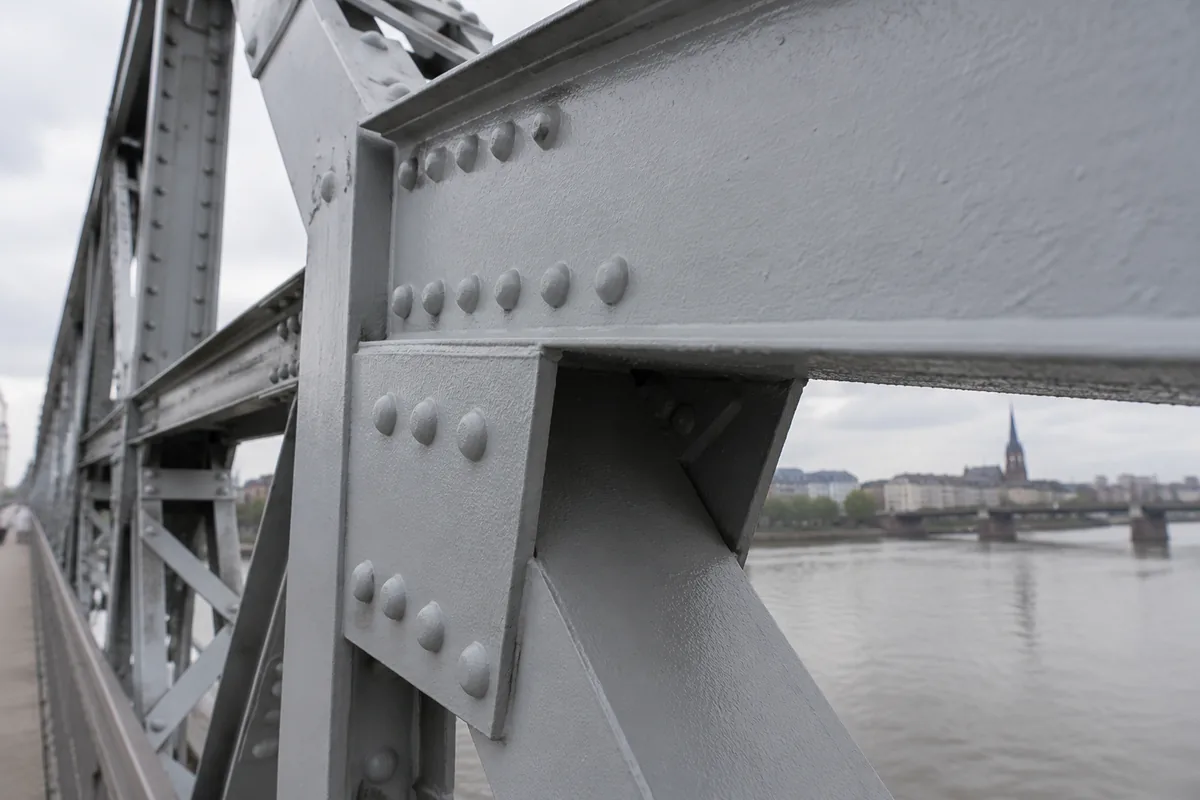
DY128D lists primer and intermediate coating applications. DY6101 lists anticorrosive coatings; its viscosity remains unconfirmed in the catalog.

The BPA family lists coating and flooring applications. BPF lists coatings, while novolac includes heavy-duty anticorrosive coatings. Start with the surface, exposure and complete resin–hardener system.
DY128D lists primer and intermediate coating applications. DY6101 lists anticorrosive coatings; its viscosity remains unconfirmed in the catalog.
The BPA family lists flooring uses. Compare the available grade data with your application method and curing conditions.
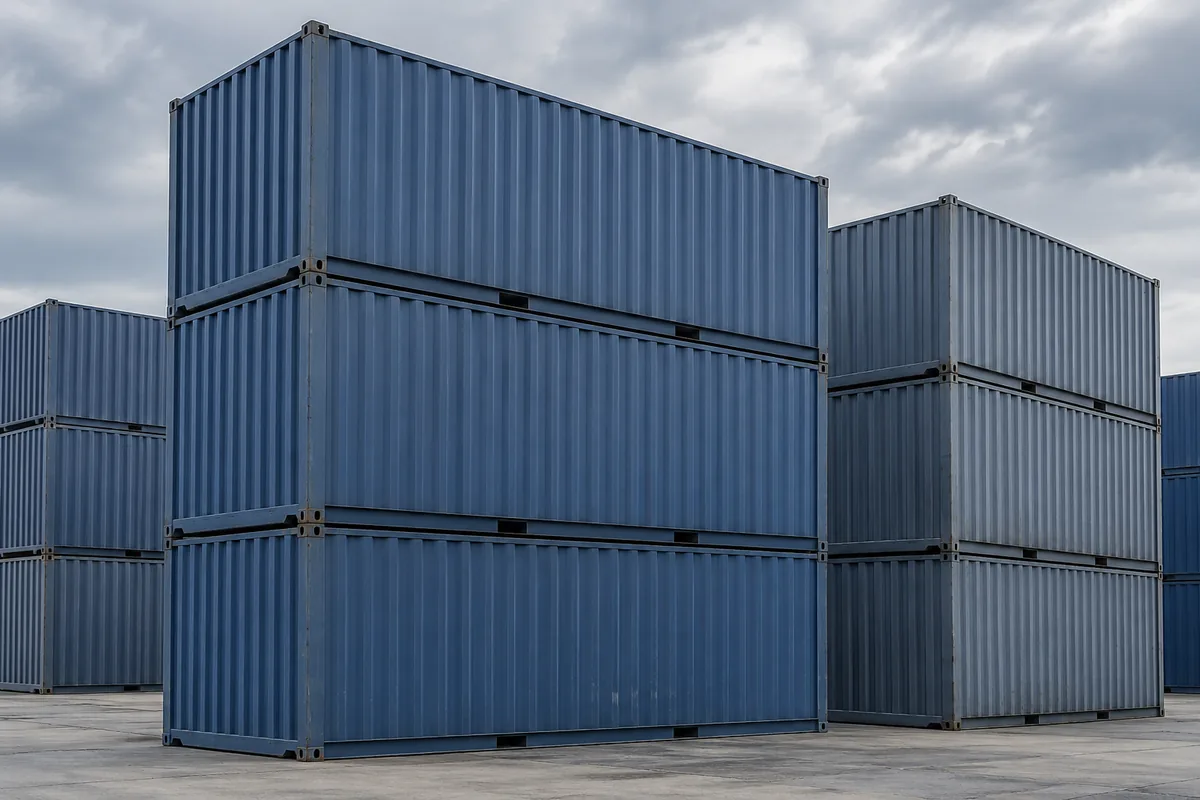
BPF lists coating uses, and novolac lists heavy-duty anticorrosive coatings. Compare candidate families against the intended formulation.
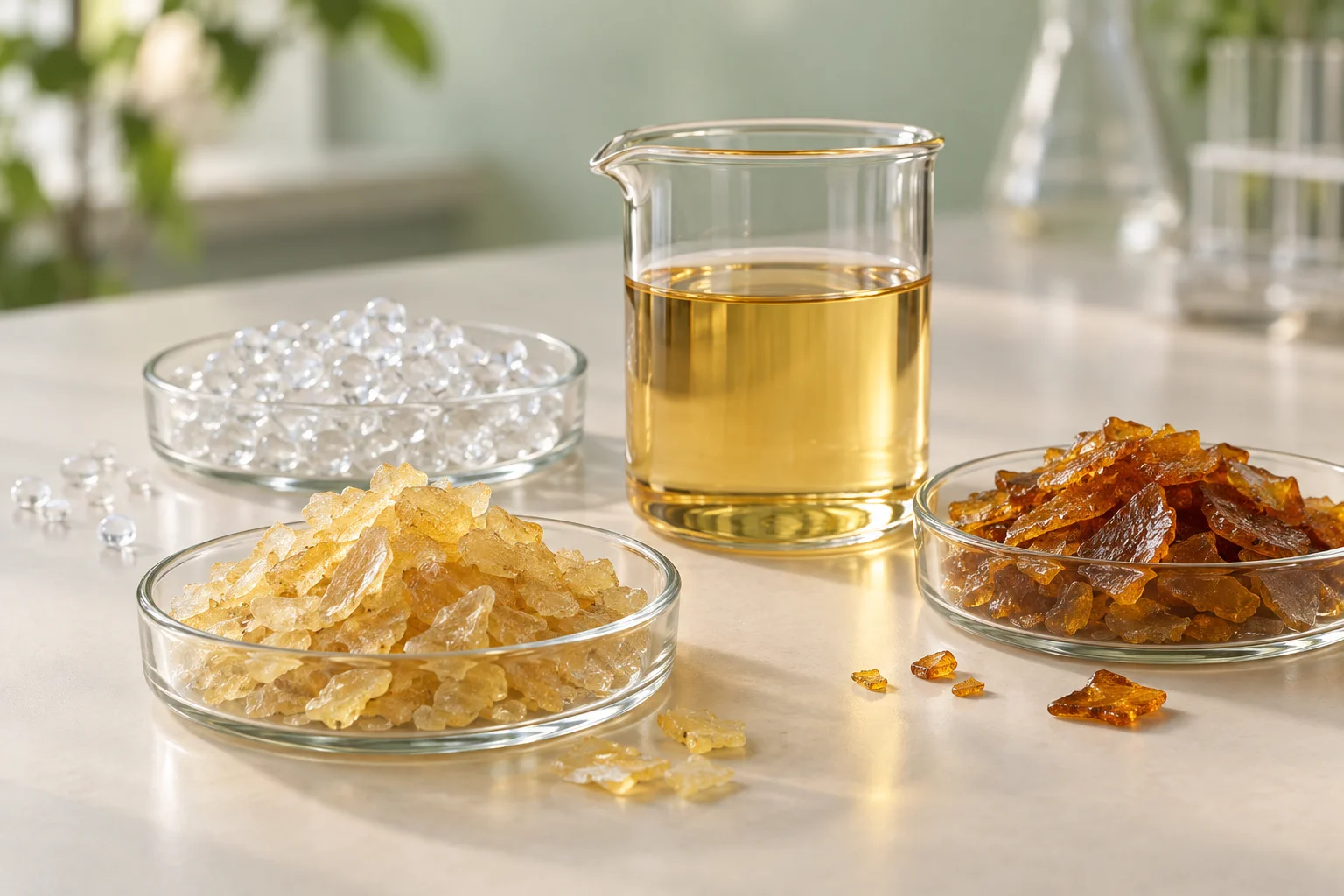
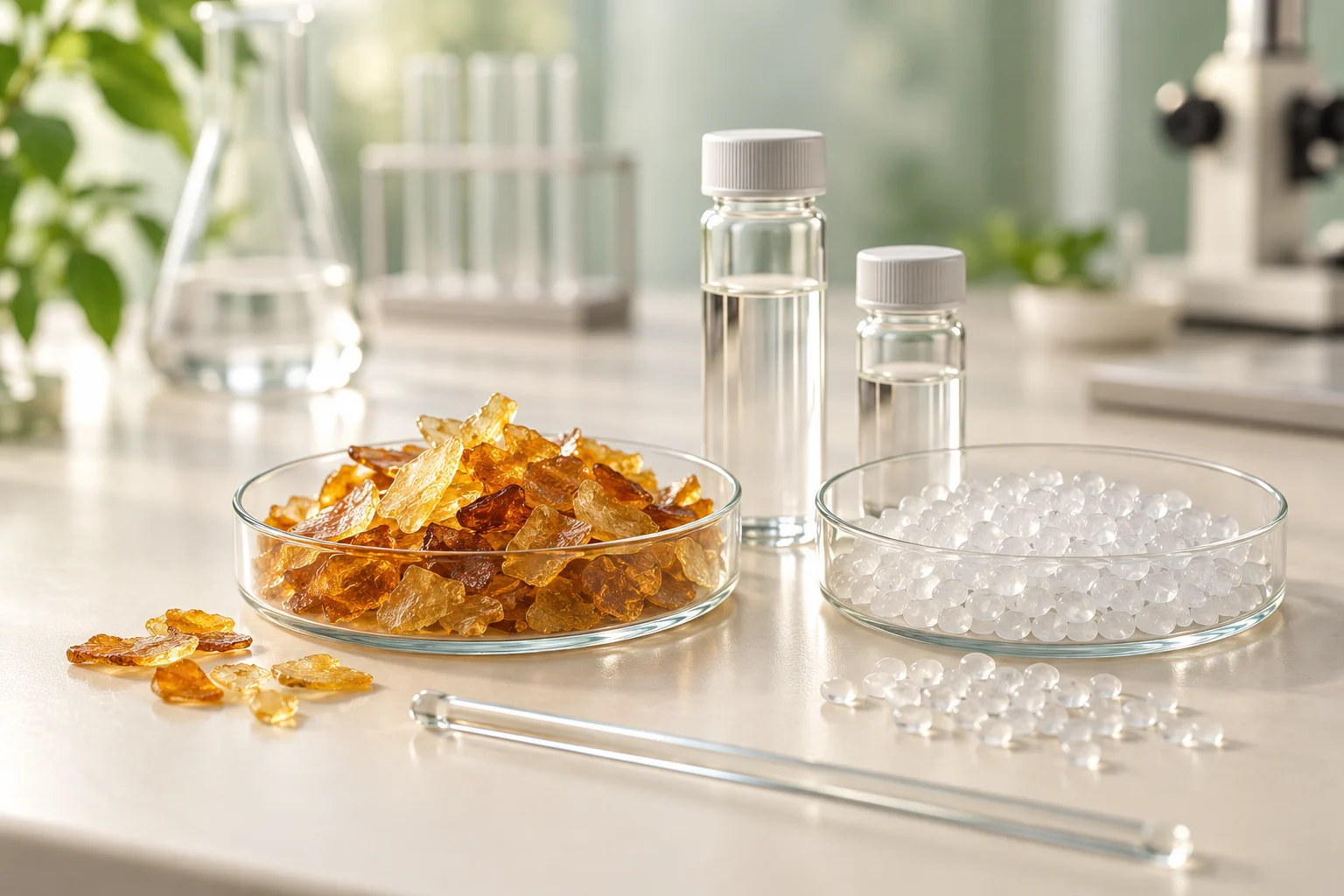
Application and material images are illustrative.
Compare the relevant families and grades, with their complete applications and measurement conditions.
An epoxy resin family based on bisphenol A and epichlorohydrin, with liquid, two-step and solvent-based grades.
A liquid epoxy resin family based on bisphenol F and epichlorohydrin, including grades differentiated by viscosity and chlorine characteristics.
A resin family based on phenol-formaldehyde novolac and epichlorohydrin, covering semi-solid grades and lower-viscosity alternatives.
Keep the application, processing conditions and grade data together when making a shortlist.
Compare EEW for the exact grade together with the proposed hardener system.
Read viscosity with its temperature and distinguish liquid, semi-solid and solvent-based grades. DF631 viscosity is stated at 52°C, unlike the 25°C entries.
Identify the substrate, coating method, working time and cure schedule before formulation trials.
Application entries and reference values support a shortlist; they do not establish finished-system performance or current supply. Confirm the current grade data and test the complete formulation.